Here at Infinity Pet Crematorium, animal welfare is something very close to our hearts. With years of prior experience working in a veterinary practice and with livestock, the Infinity team have witnessed first-hand just how frightening and overwhelming fireworks can be for animals.
We’ve seen pets trembling with fear, desperately trying to hide, and others so distressed that they’ve injured themselves in their panic. It’s heartbreaking to witness, particularly when you know how much their owners love them and want to help.
Of course, most pet owners already know the usual advice about keeping animals indoors, closing curtains and providing reassurance. But there are also other ways to help, including calming remedies and some surprisingly simple ideas that might not have occurred to you.
So, we thought we’d share some timely reminders, along with a few practical suggestions that could make a real difference.
After all, every animal is different, and sometimes it’s a combination of little things that makes the biggest difference.
Recognising the Signs of Firework Anxiety
Not every animal reacts to fireworks in the same way. Some show very obvious signs of fear, while others become unusually quiet or withdrawn, making their distress less immediately noticeable.
Some of the signs worth watching out for include:
- Trembling, shaking or excessive panting – common signs of fear, particularly in dogs.
- Hiding or seeking enclosed spaces – including under furniture, behind curtains or in unfamiliar places.
- Pacing or restlessness – an inability to settle, even in familiar surroundings.
- Unusual clinginess or withdrawal – some animals seek constant reassurance, while others avoid interaction altogether.
- Whining, barking or other unusual vocalisations – particularly when accompanied by restless behaviour.
- Refusing food or favourite treats – a frightened animal may become too overwhelmed to eat, play or respond to familiar distractions.
- Attempts to escape – scratching at doors, trying to squeeze through gaps or attempting to flee.
- Changes in toileting behaviour – including unexpected accidents indoors.
Recognising these changes can help us understand when an animal is struggling, even if their reaction isn’t immediately obvious.
A Little Preparation Can Make a Big Difference
Preparing before the first fireworks begin can help reduce anxiety and make the experience more manageable.
A few useful reminders:
- Check local firework displays. Community Facebook groups and local event listings can help identify particularly noisy evenings.
- Plan walks earlier in the day. Give dogs plenty of opportunity for exercise and toilet breaks before dusk.
- Create a familiar hiding place. A quiet corner, covered crate or cosy space beneath furniture can offer a reassuring retreat.
- Check microchip details. Frightened pets can sometimes bolt or escape, so make sure their microchip registration has your up-to-date contact details in case they go missing.
- Make sure gardens are secure. Check gates and fences, particularly if a dog has previously attempted to escape.
- Plan to stay at home if possible. Familiar company can offer valuable reassurance.
And remember, fireworks aren’t just a Bonfire Night concern. These days, they’re used throughout the year for New Year’s Eve celebrations, weddings, parties and other special occasions, often with little or no advance warning. That’s why it’s worth having a few calming strategies ready whenever unexpected fireworks might disturb our much-loved companions.
Calming Remedies You Might Not Have Considered
There are several products and approaches designed to help anxious pets. Some have more supporting evidence than others, and what works for one animal may not help another.
Pheromone Diffusers, Sprays and Collars
These products use synthetic versions of naturally occurring chemical signals associated with reassurance and familiarity.
- Plug-in diffusers release pheromones into a room over time.
- Collars provide an alternative for suitable animals.
- Sprays can sometimes be applied to bedding or resting areas, following the manufacturer’s instructions.
They may help some dogs and cats feel more settled, although results vary. Diffusers are often best introduced before firework season rather than waiting until an animal is already frightened.
Calming Bandanas and Scented Accessories
Specially designed calming bandanas and neckwear are another option worth exploring.
- Some are intended for use with calming scents formulated specifically for pets.
- Always introduce new accessories beforehand and ensure the animal is comfortable wearing them.
An important precaution: Avoid using homemade scented mixtures or ordinary essential oils on your pet’s bandana. Some ingredients can be harmful, particularly to cats. Always choose products specifically formulated for the animal concerned and check with your vet if you’re unsure.
Calming Wraps and Anxiety Vests
Some dogs respond positively to snug-fitting garments that provide light, consistent pressure around their bodies.
- Introduce the garment during calm, relaxed moments.
- Make sure it fits comfortably without restricting movement.
- Watch for signs of discomfort or increased anxiety.
- Never force a frightened animal to wear something unfamiliar.
These garments aren’t suitable for every dog, but some owners find them a useful addition to their preparations.
Natural Calming Supplements
There are various supplements formulated specifically for pets, containing certain nutritional ingredients, amino acids or herbal extracts.
Before introducing these:
- Choose supplements specifically formulated for your type of pet, and always follow the recommended dosage and instructions.
- Check the ingredients carefully, particularly if your pet has an existing health condition or takes medication. If in doubt, ask your vet or veterinary pharmacist.
- Never give human calming supplements to animals, as some ingredients can be harmful.
Natural doesn’t always mean safe, and the effectiveness of calming supplements can vary considerably.
Veterinary Medication for Severe Anxiety
For some animals, fireworks trigger much more than mild nervousness.
If a pet has previously experienced extreme fear, attempted to escape or injured themselves during fireworks, seeking veterinary advice before the season begins is particularly important.
Appropriate medication, behavioural support or a combination of approaches can make a considerable difference.
Six Simple Ideas You Might Not Have Thought Of
Sometimes the most helpful comforts are surprisingly ordinary.
1. Try Different Background Sounds
Rather than simply turning up the television, experiment with:
- Soft, familiar music
- Continuous background noise, such as a fan
- Calming audio designed for pets – search YouTube for relaxing music for dogs or cats. There are plenty of free recordings to try.
- A familiar radio programme at a comfortable volume
Start the background sounds before fireworks begin so they become part of the normal evening atmosphere.
2. Create a Proper Little Hideaway
For pets who prefer to hide, a sheltered space can provide valuable reassurance.
Try:
- Draping a blanket over a table to create a cosy den
- Adding familiar bedding and favourite toys
- Choosing an internal room away from windows
- Leaving the entrance open so the animal can come and go freely
Never force a pet into a hiding place. The important thing is allowing them to choose where they feel safest.
3. Make Use of Licking and Sniffing Activities
For dogs who remain relaxed enough to engage, enrichment activities can provide an enjoyable distraction.
Ideas include:
- Lick mats with a favourite dog-safe treat
- Snuffle mats
- Treat puzzles
- A favourite chew, safely supervised
These activities can encourage enjoyable, focused behaviour, although a severely frightened animal may be too overwhelmed to play or eat.
4. Keep the Room Comfortably Lit
- Closing curtains is familiar advice, but leaving a light on may also help.
- A comfortably lit room can reduce the contrast of sudden flashes outside, making them less noticeable.
- Combine this with closed curtains or blinds to minimise visual disturbance.
5. Let Pets Choose How They Want to Be Comforted
Some animals seek affection when frightened, while others prefer to hide.
- Offer reassurance if a pet seeks company.
- Sit quietly nearby if they prefer their own space.
- Avoid pulling frightened animals from hiding places.
- Never punish fearful behaviour or force interaction.
Comforting a frightened pet doesn’t mean rewarding their fear. Calm reassurance can be valuable when an animal actively seeks it.
6. Don’t Underestimate Familiar Smells
A favourite blanket, well-used bed or an item of clothing carrying an owner’s familiar scent may provide additional reassurance.
Sometimes familiar smells, surroundings and routines are more comforting than unfamiliar products.
A Reminder About Smaller Companions
Dogs and cats aren’t the only animals affected by fireworks.
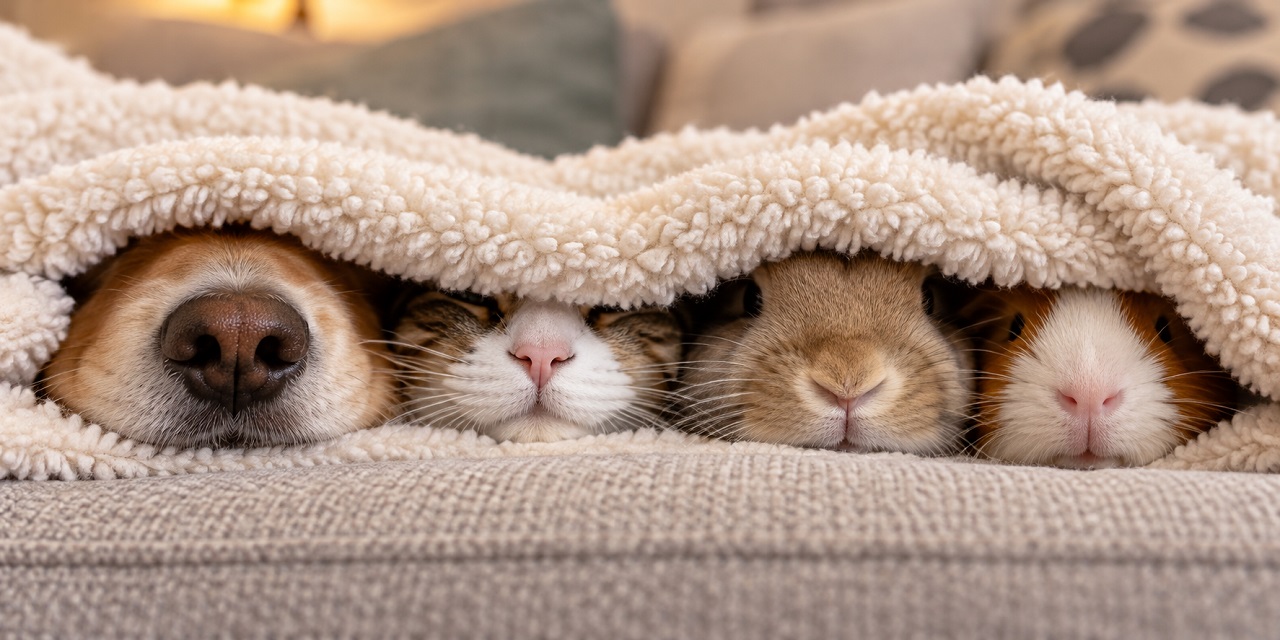
Rabbits, guinea pigs and other small pets can become extremely distressed, particularly when housed outdoors.
A few things worth considering:
- Provide additional shelter. Where appropriate, move outdoor pets to a quiet, suitable indoor area or sheltered outbuilding, allowing them time to adjust and avoiding sudden temperature changes.
- Offer extra hiding spaces. Familiar tunnels, houses and plenty of appropriate bedding can help.
- Reduce noise and flashes. Suitable covers may offer protection, provided ventilation is maintained.
- Keep bonded companions together. Familiar company can provide important reassurance.
- Monitor eating and drinking. A rabbit or guinea pig that stops eating or producing droppings needs prompt veterinary attention.
Horses and other livestock can also become distressed, so secure fencing, appropriate shelter and advance planning are equally important.
What If Firework Anxiety Is Getting Worse?
Some animals become increasingly sensitive to fireworks over time, particularly following a frightening experience.
If anxiety is becoming more severe, it shouldn’t simply be assumed that an animal will eventually become accustomed to the noise.
Veterinary practices may recommend a qualified animal behaviourist or a carefully managed sound desensitisation programme.
These programmes gradually introduce recordings at very low volumes alongside positive experiences.
They are best started well outside firework season, and forcing animals to confront frightening sounds should always be avoided.
A Little Consideration for Our Animal Neighbours
Fireworks don’t just affect household pets. As with horses and livestock, wildlife too can also experience considerable distress.
If planning a celebration, a few thoughtful choices can help:
- Let neighbours know when fireworks are planned.
- Consider lower-noise alternatives.
- Keep celebrations to predictable times.
- Avoid setting off fireworks near animals or their accommodation.
A little advance notice can give other animal owners a valuable opportunity to prepare.
Helping Our Companions Feel Safe
Every pet is different, and while there isn’t one magical solution, we hope these suggestions offer a few useful ideas to help make firework season a little less frightening for your much-loved companions.
And if you know other pet owners or people that simply care about animals, please consider sharing this article. Sometimes one small suggestion can make a world of difference.
If you’d like to know a little more about Infinity Pet Crematorium and the care we take in supporting families through the loss of a much-loved companion, rather than simply taking our word for it, we’ll let our clients speak for themselves.



Leave a Reply